People, Place & Community Guidance
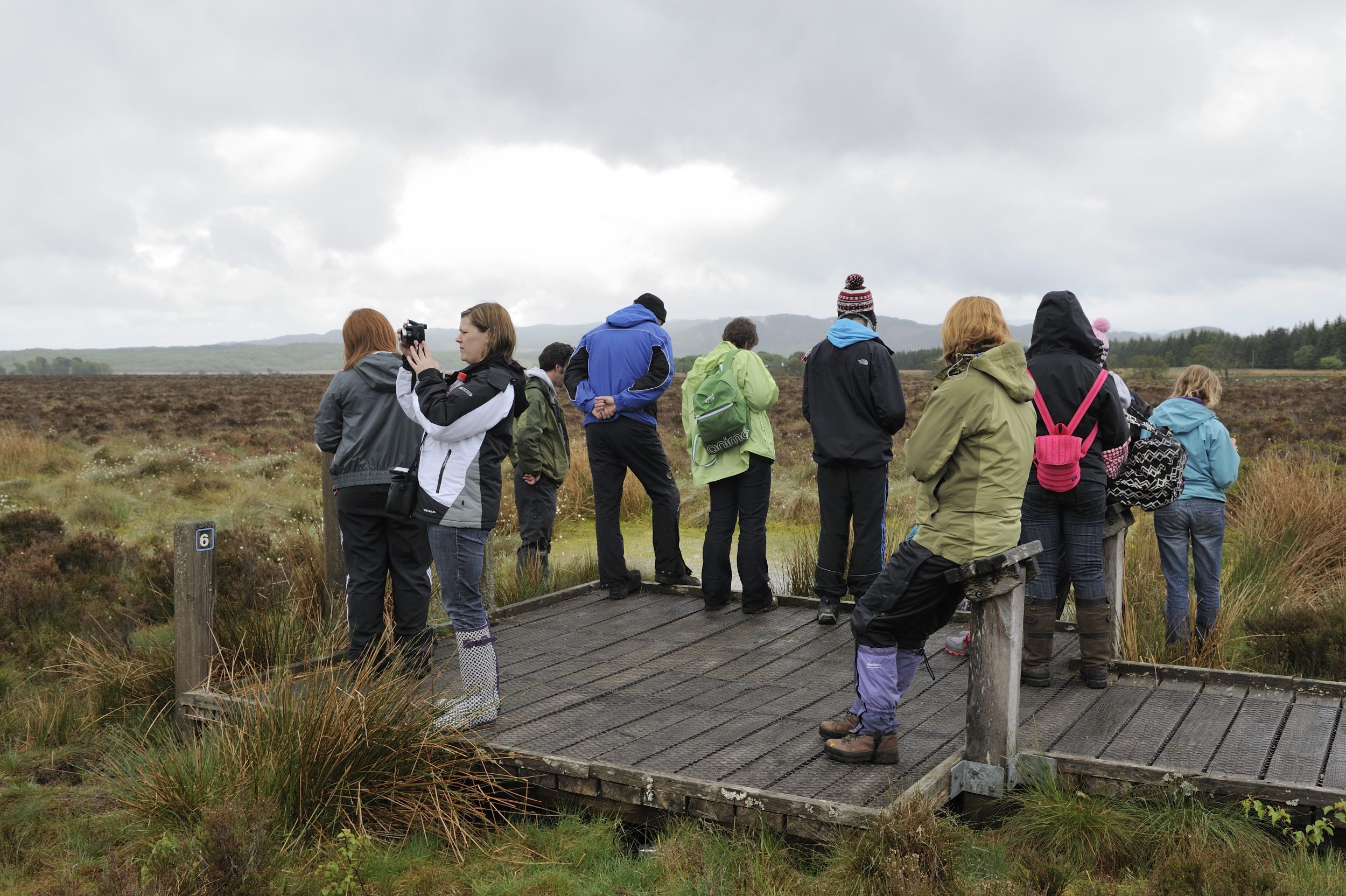
Like the Scottish Biodiversity Strategy, Nature Networks take a ‘whole-of-society’ approach. Diversity and inclusion are at the heart of decision-making and delivery, continuing co-design and co-production in planning, implementation, and management phases.
Local people and communities are essential to the successful design and delivery of Nature Networks. This section provides guidance on how to work with and engage local communities, ensure inclusion and make the most of existing resources to help ensure Nature Networks deliver for both nature and people.
Covering Framework Delivery Principles:
- Data, mapping, & monitoring
- Finance & resourcing
- Governance & decision making
- Knowledge & skills
- Monitoring, Evaluation & Reporting
- Participation, engagement, & communication
- Policy & Mainstreaming
- Project Development
- Project Implementation
- Spatial Mapping
Community Benefits
- This publication sets out good practice guidance for a responsible approach to delivering community benefits from land.
Engaging Communities
- Bringing people together makes your message loud and clear. Whether you’re organising an MP constituency meeting, a stroll, or another action for nature... connection is key. We’re here to give you some tips for getting your word out there.
- Guidance written to help those leading landscape-scale rainforest restoration projects engage well with communities so their projects can be as successful as possible.
- A summary of existing resources to engage communities in land use decision making.
- Communities can join in development planning, engage with developers and even prepare a village or town design statement. You can use our Talking About Our Place toolkit to get the conversation started in your community.
Collaborative Governance
- The Seven Lochs Wetland Park is Scotland’s largest urban nature park. It is managed by the Seven Lochs Partnership using a collaboration agreement.
Community Planning
- Community planning is about how public bodies work together, and with local communities, to design and deliver better services that make a real difference to people's lives. A Community Planning Partnership (or CPP) is the name given to all those services that come together to take part in community planning, one for each council area. Each CPP focuses on where partners can add the most value to their local communities. www.gov.scot/policies/improving-public-services/community-planning/
Place Planning
- The Planning (Scotland) Act 2019 introduced changes to the Scottish planning system, including the right for communities to produce their own Local Place Plans. These plans should set out what communities think about the development and use of space in their area. Where Nature Networks are viewed as a local priority, including them in the Place Plan can help secure their recognition and delivery.
- The Place Standard is a simple tool to structure a conversation about a place. It helps people to think about both the physical and social aspects of places, and the important relationship between them. It has 14 themes, each with a main question and further prompts to support conversations, inform the assessment and identify issues for improvement.
Place Planning
- Place skills for plan-making is a suite of resources to support planning teams in taking a place-based collaborative approach to preparations for new style Local Development Plans.
Connect with schools and young people
- Schools and young people are an important part of the community to include in the Nature Networks process . NatureScot provides advice, guidance and resources to help connect young people to nature and encourage more outdoor learning opportunities within school grounds and local greenspaces.
- The Nature Discovery Map Scotland is one example resource that can help with school engagement. It is a digital mapping tool that allows young people to map the habitats and sustainability features of their school grounds with the intention to improve their grounds for nature and climate resilience.
Help us build a useful toolbox
Share your feedback on existing guidance and resources, as well as links to others you think would be useful. We’d also love to hear about any great Nature Network projects that we should showcase.
.