Monitoring and Reporting
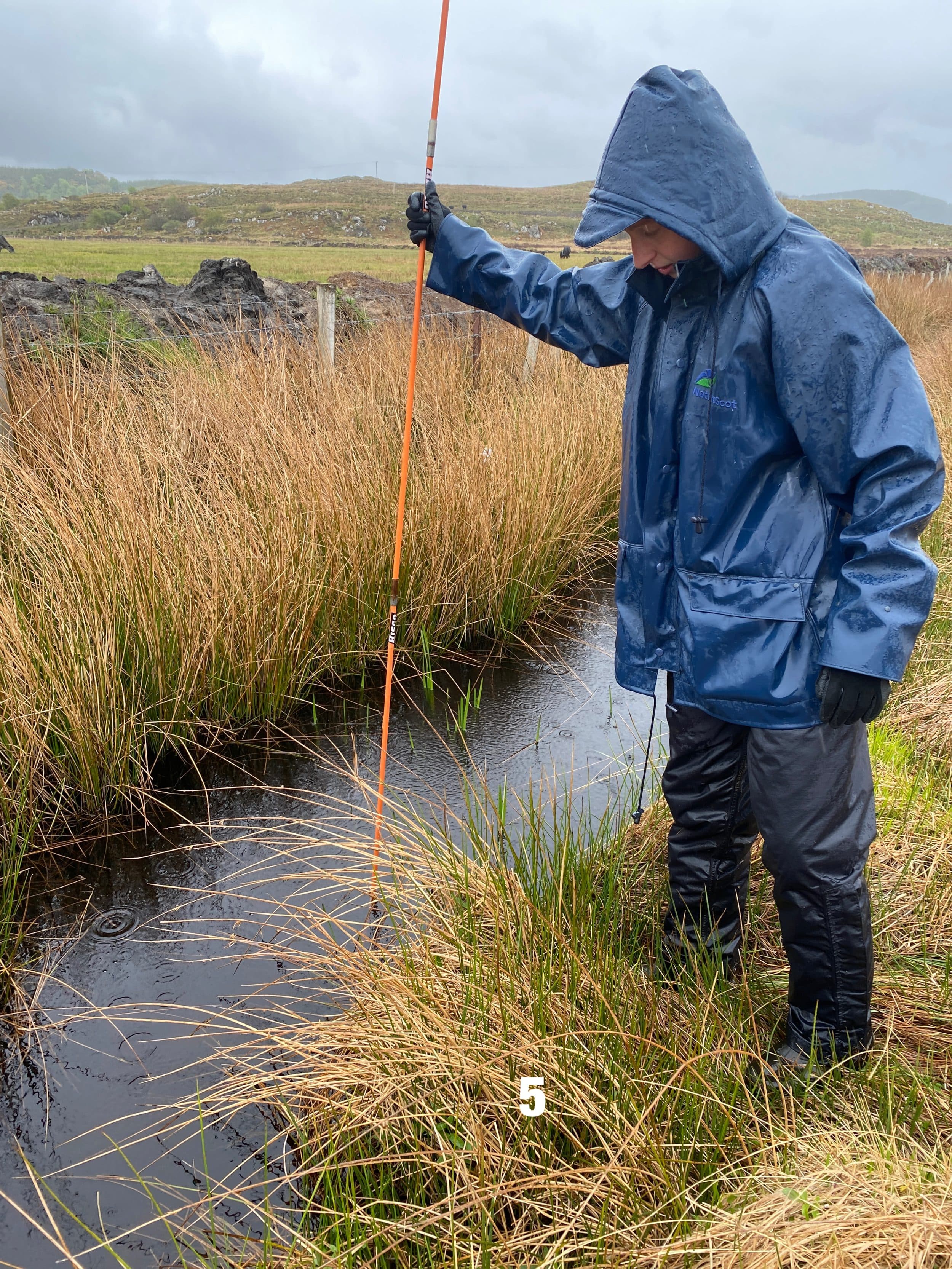
Latest information on the monitoring, reporting and evaluation of Nature Network delivery across Scotland.
Covering Framework Delivery Principles:
- Data, mapping, & monitoring
- Finance & resourcing
- Governance & decision making
- Knowledge & skills
- Monitoring, Evaluation & Reporting
- Participation, engagement, & communication
- Policy & Mainstreaming
- Project Development
- Project Implementation
- Spatial Mapping
The Nature Networks Framework was published in 2024 and sets out a vision and principles for the delivery of Nature Networks in Scotland. It is nested within the Scottish Biodiversity Strategy and its Delivery Plan, and sits alongside NPF4 and SNAP3.
The framework states;
“The monitoring of areas making up 30×30 will follow the principles and approaches set out in the 30×30 Framework. To ensure these areas are effectively being connected for biodiversity, the corridors linking them will also need to be appropriately monitored. This will focus on the level of implementation of networks and how effective they are at delivering connectivity“.
Five key areas for reporting are identified, namely ecosystem health, progress in mapping, progress in implementation, connectivity and effectiveness at a national level. Socio-economic benefits of Nature Networks will also be captured. Monitoring, evaluation and reporting should be considered at each stage of Nature Network development, from mapping through to delivery.
The Scottish Government and NatureScot are currently developing guidance for Monitoring and Reporting at local, regional and national levels. The emphasis will be on making full use of existing measures, metrics and reporting mechanisms. This page will be updated as new resources become available.
- An interactive dashboard which shows progress in developing and delivering Nature Networks across Scotland.
- Indicators have been devised to monitor changes in Scotland’s nature and landscapes. They provide evidence of progress towards policy objectives and are a reality check on what’s actually going on in the world around us. Trend notes summarise changes in Scotland’s wildlife and habitats over time.
- Under the Nature Conservation (Scotland) Act 2004, all public bodies in Scotland have a duty to further the conservation of biodiversity when carrying out their responsibilities. This biodiversity duty is about taking care of nature all around us, not just in specific protected sites and for particular species.
- To assess the progress and impact of the Edinburgh Nature Network, the Scottish Wildlife Trust have developed a Monitoring & Evaluation Framework. By combining data that is already being measured with primary data collection on actions for nature across the city, the Edinburgh Nature Network can be assessed against its core themes.
- The Scottish Biodiversity Strategy sets out the ambition to halt nature loss by 2030 and make substantial progress to restore nature by 2045. This will be supported by a series of 6-year rolling Delivery Plans which includes a comprehensive set of cross sectoral actions and the Natural Environment Bill which will includes the introduction of statutory nature recovery targets.
- Framework that will be used to monitor and evaluate progress in delivering the Scottish National Adaptation Plan 2024 to 2029 (action on Climate Change adaptation).
- In Scotland, public bodies and private companies operating in a public character, such as utility companies, are required to assess, consult on, and monitor the likely impacts their plans, programmes and strategies will have on the environment. This process is known as Strategic Environmental Assessment (SEA).
Help us build a useful toolbox
Share your feedback on existing guidance and resources, as well as links to others you think would be useful. We’d also love to hear about any great Nature Network projects that we should showcase.
.