Rivers as Pathways for Nature: Connectivity Across Scotland’s Landscapes
Rivers as Biodiversity Hotspots
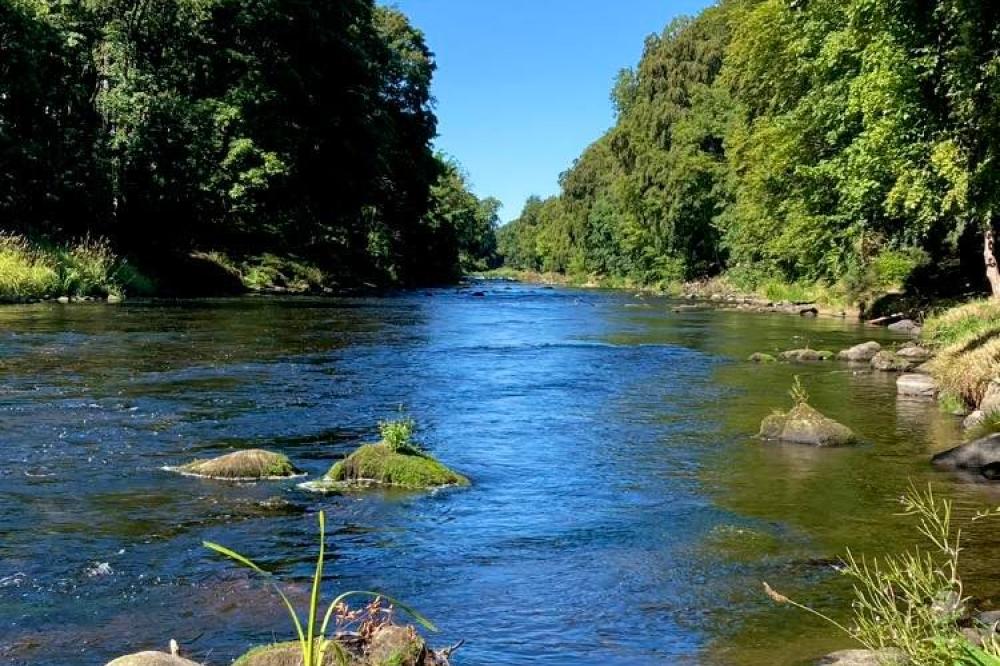
Scotland’s rivers are dynamic ecosystems that support a remarkable diversity of life, including species of conservation concern such as Atlantic salmon, freshwater pearl mussels and otters. They’re also home to many aquatic plants, insects, and the many birds and mammals that depend upon freshwater habitats. The mosaic of pools, riffles, gravel beds, wetlands, and floodplains associated with river systems creates a range of ecological niches, allowing species with very different requirements to coexist. As some of Scotland’s most species-rich habitats, rivers make an invaluable contribution to biodiversity in their own right, supporting ecological processes that extend well beyond their banks.
Riparian Habitats as Natural Corridors
The value of rivers extends beyond the water itself. The riparian habitats that border rivers, including woodlands, wetlands, grasslands, and scrub, can act as natural corridors through the landscape. These linear habitats often remain relatively continuous where surrounding land uses may be fragmented, providing routes for species movement, dispersal, foraging, and migration. Riparian zones can help species adapt to environmental change by allowing them to move between habitats and colonise new areas. They also facilitate the flow of ecological processes such as seed dispersal and nutrient transfer, helping to connect otherwise isolated patches of habitat across the wider landscape. Riparian habitats can also play a crucial role in improving water quality and managing flood risk.
Rivers and Their Role in Nature Networks
Given their ecological value and connectivity functions, rivers and riparian habitats can make a significant contribution to Scotland’s Nature Networks. They can link important habitats, improve ecological permeability across landscapes, and provide core routes through which species and ecological processes can move. In many places, river corridors may form the backbone of local or regional networks for nature recovery.
However, rivers alone are not a substitute for Nature Networks. Scotland’s Nature Networks Framework seeks to improve connectivity across a wide range of habitats and ecosystems, reflecting the needs of different species and ecological communities. While river corridors are particularly important for freshwater and riparian species, they cannot provide the full diversity of habitats or connections required across peatlands, native woodlands, grasslands, coastal habitats, heathlands, and other ecosystems. Effective Nature Networks therefore require a broader landscape-scale approach, with rivers and riparian corridors forming one important component within a more comprehensive network of connected habitats. Through this role, rivers help strengthen ecological resilience, but their greatest value is realised when they are integrated alongside wider habitat restoration and connectivity initiatives across Scotland’s landscapes.
Help us build a useful toolbox
Share your feedback on existing guidance and resources, as well as links to others you think would be useful. We’d also love to hear about any great Nature Network projects that we should showcase.
.